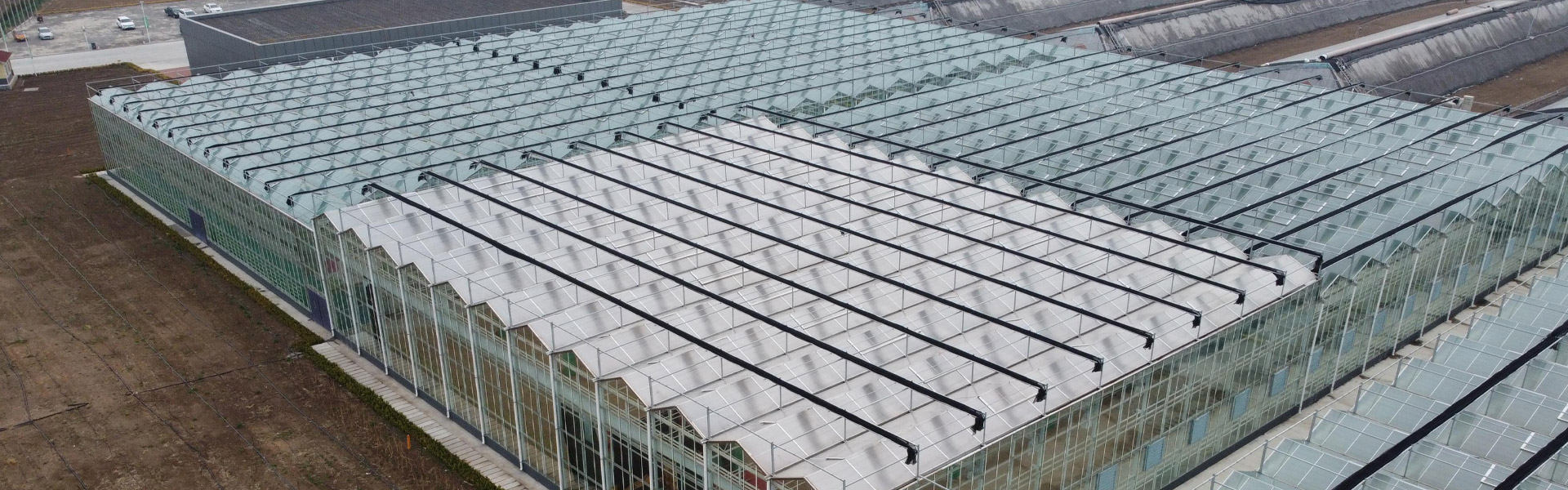
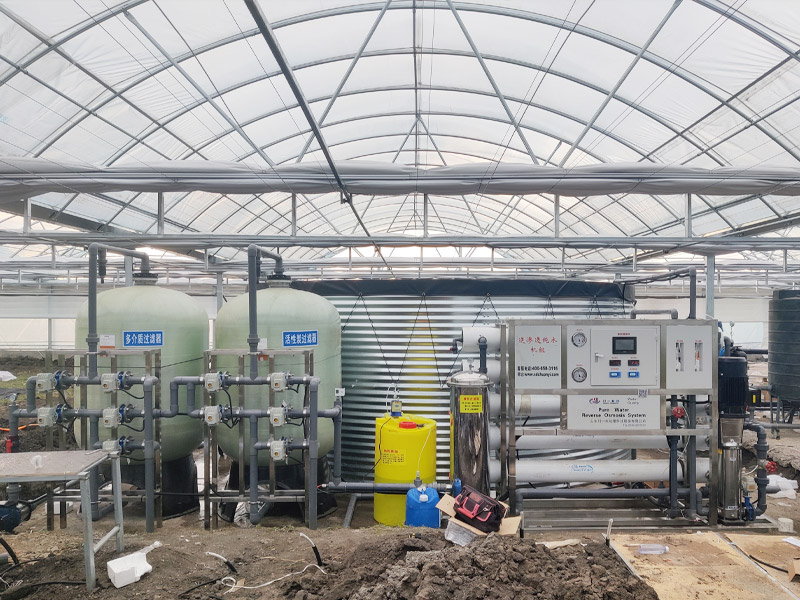
Water treatment equipment refers to a series of professional systems and devices designed to purify, filter, disinfect, and condition water sources, removing impurities, pollutants, harmful substances, and adjusting water quality parameters to meet specific application standards. Crafted with advanced filtration, separation, and disinfection technologies, these equipment solutions address the core challenges of water pollution, scarcity, and quality inconsistency, serving as indispensable infrastructure for industrial production, agricultural irrigation, municipal water supply, and residential use. From raw water pretreatment to advanced purification and wastewater recycling, water treatment equipment delivers customized, sustainable water management solutions that align with environmental regulations and resource conservation goals.
Core Product Types & Working Principles
Water treatment equipment encompasses diverse categories tailored to different water quality requirements and application scenarios, with key types including:
1. Filtration Equipment
- Key Types: Sand filters, activated carbon filters, precision filters (cartridge filters), ultrafiltration (UF) systems, microfiltration (MF) systems.
- Working Principle: Utilizes porous filter media (sand, activated carbon, ceramic membranes, hollow fiber membranes) to physically trap suspended solids, colloids, sediment, and organic particles. Ultrafiltration and microfiltration systems employ membrane separation technology, with pore sizes ranging from 0.01μm to 1μm, effectively removing bacteria, viruses, and macromolecular impurities while retaining beneficial minerals.
- Core Function: Pretreatment of raw water, removal of turbidity and particulate matter, and protection of subsequent precision treatment equipment.
2. Softening Equipment
- Key Types: Ion exchange water softeners, electromagnetic water softeners, reverse osmosis (RO) softening systems.
- Working Principle: Ion exchange softeners replace calcium and magnesium ions (the main causes of water hardness) with sodium ions through ion exchange resins, preventing scale formation. RO systems achieve softening by rejecting dissolved salts and hardness ions via semi-permeable membranes under high pressure.
- Core Function: Reduce water hardness, avoid scale buildup in pipelines, boilers, and equipment, extending service life and improving operational efficiency.
3. Disinfection Equipment
- Key Types: UV disinfection systems, ozone generators, chlorine dioxide disinfection devices, electrolytic disinfection equipment.
- Working Principle: UV systems use ultraviolet light (254nm wavelength) to destroy the DNA/RNA of bacteria, viruses, and algae, achieving rapid disinfection without chemical residues. Ozone and chlorine dioxide disinfection devices oxidize and decompose harmful microorganisms and organic pollutants, while electrolytic disinfection generates safe, effective disinfectants (e.g., hypochlorous acid) on-site using saltwater.
- Core Function: Eliminate pathogenic microorganisms, prevent waterborne diseases, and ensure biological safety of water.
4. Desalination Equipment
- Key Types: Reverse osmosis (RO) systems, nanofiltration (NF) systems, electrodialysis (ED) equipment, multi-effect distillation (MED) systems.
- Working Principle: RO systems apply high pressure to force water through semi-permeable membranes, rejecting 99% of dissolved salts, heavy metals, and organic contaminants, producing high-purity water. Nanofiltration systems retain divalent ions (e.g., calcium, magnesium) while allowing monovalent ions to pass, suitable for partial desalination.
- Core Function: Treat seawater, brackish water, or high-salinity wastewater, producing drinking water, industrial process water, or irrigation water.
5. Wastewater Treatment Equipment
- Key Types: Biological treatment systems (activated sludge process, membrane bioreactors - MBR), chemical precipitation equipment, advanced oxidation processes (AOPs), sludge dewatering machines.
- Working Principle: Biological treatment systems use microorganisms to decompose organic pollutants in wastewater into harmless substances (carbon dioxide, water). Chemical precipitation equipment adds reagents to form insoluble precipitates with heavy metals or phosphates. AOPs (e.g., UV-H₂O₂, ozone oxidation) degrade refractory organic compounds. Sludge dewatering machines reduce moisture content of sludge for safe disposal or recycling.
- Core Function: Purify industrial, agricultural, or domestic wastewater to meet discharge standards or enable water reuse.
Key Product Features
1. High Purification Efficiency: Advanced membrane technology, precision filtration, and efficient disinfection systems ensure removal rates of impurities, bacteria, and pollutants exceed 95%, producing water that meets international standards (e.g., WHO, EPA, GB).
2. Energy & Water Saving: Optimized system design, energy-efficient pumps, and low-pressure operation reduce energy consumption by 20%-30% compared to traditional equipment. Closed-loop recycling systems minimize water waste, with wastewater reuse rates reaching 70%-90% in industrial applications.
3. Stable & Reliable Performance: High-quality materials (stainless steel, corrosion-resistant alloys, imported membranes) withstand harsh operating conditions (high temperature, high pressure, corrosive media), ensuring continuous operation with a service life of 8-15 years.
4. Intelligent Operation & Easy Maintenance: Equipped with PLC control systems, touch-screen interfaces, and real-time monitoring sensors (flow rate, pressure, water quality), enabling automatic operation, fault alarms, and remote control. Modular design simplifies maintenance, with easy-to-replace filter elements and membranes.
5. Eco-Friendly & Low Carbon: Minimal use of chemical reagents (or reagent-free disinfection options like UV/ozone) reduces secondary pollution. Recyclable materials and energy-saving components align with green development trends, helping users achieve carbon emission reduction goals.
6. Customizable & Scalable: Tailored solutions for different water sources (river water, groundwater, seawater, wastewater) and application requirements (flow rate, water quality standards). Modular design supports capacity expansion, adapting to growing demand from small-scale households to large industrial parks.
Wide-Ranging Applications
- Industrial Sector: Boiler feed water treatment, process water purification (electronics, pharmaceuticals, food & beverage), wastewater treatment and reuse (textiles, chemicals, metallurgy), cooling tower water treatment.
- Agricultural Field: Irrigation water purification (removal of pesticides, heavy metals, and suspended solids), livestock drinking water treatment, aquaculture water circulation systems.
- Municipal & Public Facilities: Drinking water treatment plants, sewage treatment plants, hospital wastewater disinfection, swimming pool water purification.
- Residential & Commercial Use: Household reverse osmosis water purifiers, hotel/mall centralized water treatment systems, apartment building water softening and purification.
- Special Scenarios: Emergency water treatment equipment (disaster relief, field operations), offshore platform seawater desalination, laboratory ultra-pure water systems.
Technical Advantages
- Adopts imported membranes (from Dow, Toray, Hydranautics) with high rejection rates and long service life.
- Integrates multi-stage treatment processes (filtration + softening + disinfection + desalination) to address complex water quality issues.
- Complies with international certifications (ISO, CE, NSF) and local environmental standards, ensuring regulatory compliance.
- Customizable flow rates (0.5m³/h to 500m³/h) to meet diverse application needs from small households to large industrial projects.