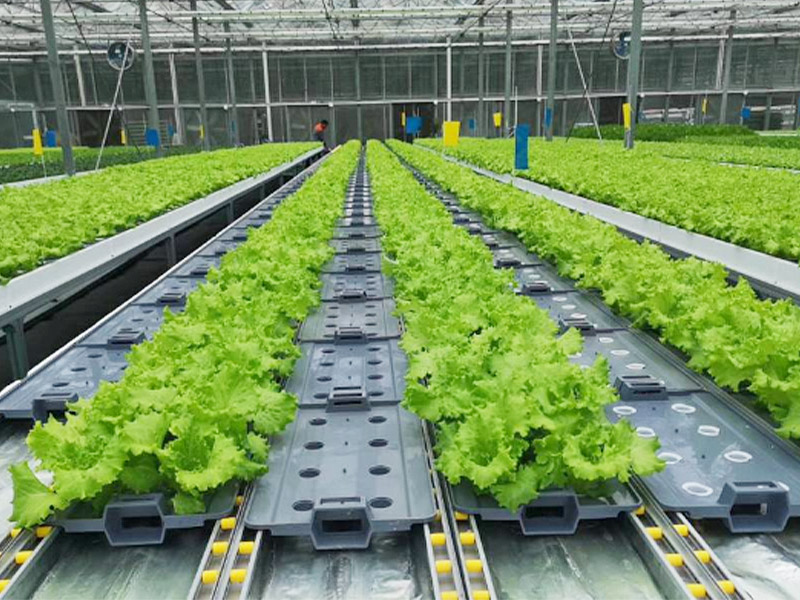
▲ Soilless cultivation (silless clure) is a method of growing plants without soil, using other materials, including hydroponics, mist (aeroponics), and substrate cultivation.
▲ In soilless cultivation, artificial nutrient solutions are prepared to meet the mineral nutrient needs of plants. Soilless cultivation is a cultivation technique that provides nutrients using nutrient solutions containing essential elements for plant growth and development, without using natural soil, allowing plants to complete their entire life cycle normally. In soilless cultivation technology, the key to successful cultivation is whether it can provide plants with a nutritionally balanced solution with the appropriate concentration.
Main features
▲ Remote monitoring and service capabilities
▲ Reliability and anti-interference properties
▲ User-friendly design
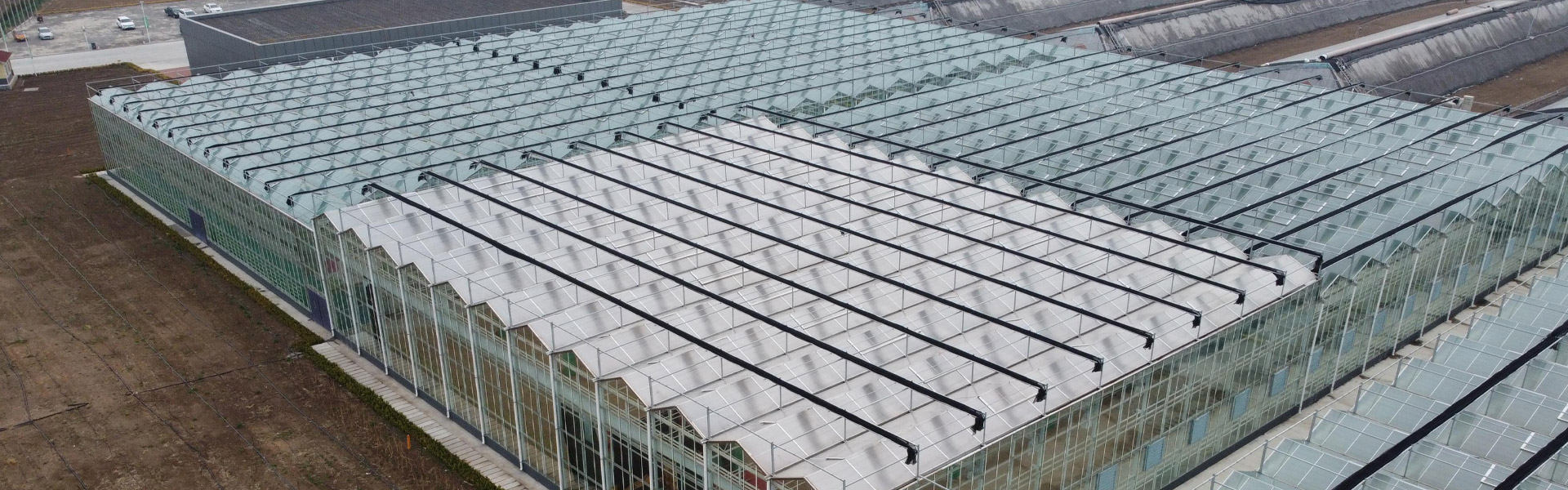
▲ The intelligent greenhouse computer control system consists of: "weather station" + "indoor environment sensors" + "greenhouse control software".
▲ Weather station: used to collect outdoor environmental parameters (outdoor temperature, outdoor humidity, outdoor light radiation, wind speed, wind direction, snow signal)
▲ Indoor environment sensors: used to collect indoor environmental temperature, humidity, and indoor light radiation.
▲ Greenhouse control software is used to automatically control devices such as the greenhouse shading system, cooling system, and skylight system, while also collecting, recording, and automatically generating data reports and graphs of the greenhouse's environmental data.
Supplementary lighting
Agricultural sodium lamps are a type of high-intensity sodium vapor lamp that can provide an ideal spectral distribution in line with the growth requirements of plants. Compared to regular high-pressure sodium lamps, agricultural sodium lamps have a higher light output and a more balanced energy distribution of red and blue light for photosynthesis, photomorphogenesis, and photoperiodic growth. The improved spectral distribution makes it easier to control the environment for crops, allowing for faster growth and improved quality.