Product Overview
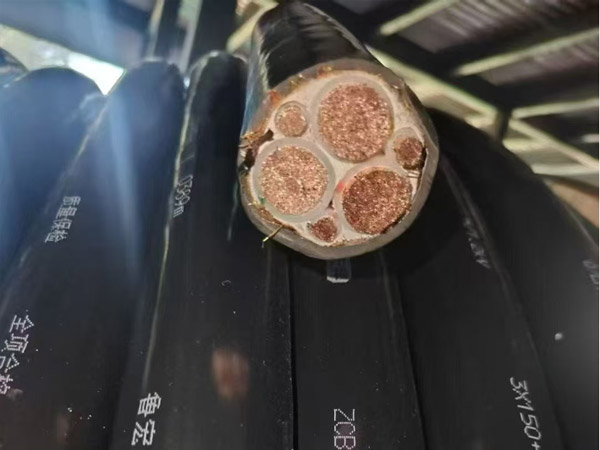
Wires and cables are indispensable electrical and communication transmission products, composed of conductive cores, insulating layers, shielding layers and protective sheaths. Made from high-quality copper, aluminum, and polymer insulating materials, they are engineered to transmit electric power, electrical signals, and communication data safely and efficiently across short and long distances. As the "nervous system" of modern society, wires and cables are widely used in power grids, construction, industrial manufacturing, transportation, telecommunications, agriculture and other fields, supporting the stable operation of various industries and daily life.
Core Classification & Key Applications
1. Power Cables
Designed for the transmission and distribution of electric energy, with voltage grades ranging from low voltage (below 1kV) to ultra-high voltage (above 500kV).
- Main Types: PVC insulated power cables, cross-linked polyethylene (XLPE) insulated power cables, mineral insulated cables.
- Typical Applications: Urban power grids, industrial plants, high-rise buildings, residential communities, agricultural irrigation systems, responsible for delivering electricity from power stations to end users.
2. Control Cables
Used to transmit control signals and operational commands in industrial automation and electrical control systems.
- Key Features: High transmission accuracy, good anti-interference performance, flexible laying.
- Typical Applications: Factories, mines, building automation systems, mechanical equipment, enabling precise control of motors, valves and other electrical components.
3. Communication Cables
Specialized in transmitting voice, data, video and other communication signals, with high bandwidth and low transmission loss.
- Main Types: Twisted pair cables, coaxial cables, optical fiber cables.
- Typical Applications: Telecommunications networks, internet infrastructure, cable TV systems, data centers, wireless base stations, realizing long-distance and high-speed transmission of information.
4. Electrical Wires
Lightweight and flexible, mainly used for short-distance power connection in low-voltage electrical circuits.
- Main Types: BV solid wires, BVR flexible wires, RV soft wires.
- Typical Applications: Indoor wiring of residential buildings, household appliances, small electrical equipment, serving as branch lines for power distribution.
5. Special Cables
Customized for harsh and special working environments, with unique performance characteristics.
- Main Types: Flame-retardant cables, fire-resistant cables, anti-corrosion cables, high-temperature resistant cables, marine cables, agricultural cables.
- Typical Applications: Chemical plants, mines, high-temperature workshops, marine engineering, greenhouse agriculture, adapting to flammable, corrosive, high-temperature and humid working conditions.
Core Material & Performance Characteristics
1. Key Raw Materials
- Conductive Cores: High-purity electrolytic copper and aluminum are the main materials, featuring excellent electrical conductivity, low resistance and good ductility, ensuring efficient power and signal transmission.
- Insulating Layers: PVC, XLPE, polyethylene and other polymer materials are adopted, with high insulation resistance, good heat resistance and chemical stability, preventing electric leakage and short circuits.
- Protective Sheaths: Made of PVC, polyethylene, rubber and other materials, with wear resistance, corrosion resistance, waterproof and anti-aging properties, protecting the internal structure from external damage.
2. Core Performance Advantages
1. High Conductivity & Low Loss
Using high-purity copper/aluminum conductive cores and optimized structural design, the cable has low DC resistance and transmission loss, ensuring efficient energy and signal transmission with minimal power consumption.
2. Excellent Insulation & Safety
The insulating layer is made of high-performance materials with high breakdown voltage and good thermal stability, effectively preventing electric leakage and arc discharge, and meeting national electrical safety standards.
3. Strong Environmental Adaptability
Through special material selection and processing, cables can withstand extreme temperatures (-40℃ to 120℃), humidity, corrosion, and mechanical impact, adapting to indoor, outdoor, underground, and underwater laying environments.
4. Flame Retardant & Fire Resistant
Flame-retardant and fire-resistant cables are added with special flame retardants, which can inhibit combustion, prevent the spread of fire, and maintain power supply for a certain period of time in case of fire, ensuring the safe evacuation of personnel and the operation of emergency equipment.
5. Durable & Long Service Life
Adopting high-quality raw materials and advanced production processes, the cable has good anti-aging and fatigue resistance, with a service life of up to 30-50 years under normal use, reducing the frequency of maintenance and replacement.
6. Flexible Laying & Easy Installation
The cable has reasonable structural design and good flexibility, suitable for laying in narrow spaces, bending and complex routes; standardized specifications and accessories make installation and construction convenient and efficient.
Strict Quality Standards & Certifications
Wires and cables are products with high safety requirements, and all production and testing comply with international and national standards, including:
- International Standards: IEC (International Electrotechnical Commission), UL (Underwriters Laboratories), VDE (German Electrical Engineering Association).
- National Standards: GB (China National Standard), ensuring that cables meet the requirements of conductivity, insulation, flame retardancy and environmental protection.
Qualified products must pass strict tests such as voltage withstand test, insulation resistance test, flame retardant test and aging test to ensure stable and safe performance in actual use.
Application Scenarios Across Industries
- Power Industry: Power generation, transmission and distribution networks, connecting hydropower, thermal power, wind power and other power stations with users.
- Construction Industry: Building wiring, elevator cables, fire-fighting cables, ensuring the power supply and intelligent control of high-rise buildings, commercial complexes and residential areas.
- Industrial Manufacturing: Factory automation lines, mechanical equipment, high-voltage cables for industrial boilers, supporting the production and operation of enterprises.
- Transportation Industry: Railway, highway, aviation, marine cables, used for power supply and communication of trains, ships, airports and other transportation hubs.
- Agricultural Field: Agricultural power grids, greenhouse irrigation systems, agricultural machinery cables, serving rural electrification and modern agricultural development.
- Telecommunications Industry: Optical fiber cables, communication twisted pairs, building the infrastructure of 5G, internet and digital communication.
Development Trends
With the rapid development of new energy, smart cities and digital transformation, wires and cables are developing towards high voltage, high speed, environmental protection and intelligence. New products such as high-voltage XLPE cables, optical fiber composite cables, halogen-free low-smoke flame-retardant cables and intelligent monitoring cables are continuously emerging, which not only meet the demand for high-efficiency transmission, but also conform to the development concept of energy conservation, environmental protection and smart management, further promoting the upgrading of the power and communication industries.