Product Overview
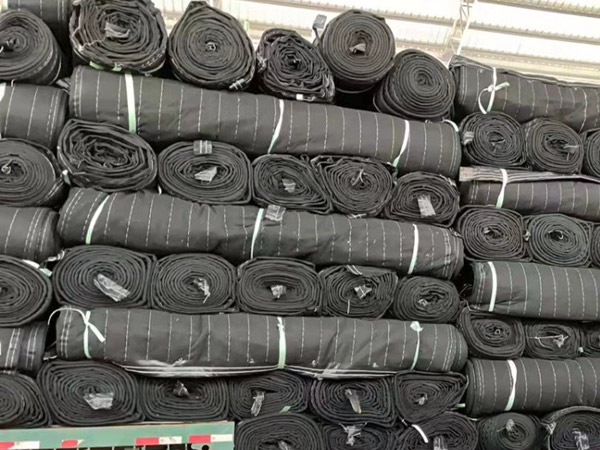
Non-woven fabric, also known as nonwoven textile, is a flexible, porous material made from polymer fibers (polypropylene, polyester, nylon, etc.) through processes of bonding, entangling, or interlocking—without weaving or knitting. Unlike traditional textiles, it features a simple production process, high production efficiency, and customizable performance, making it a cost-effective and multi-functional material. Widely used in agriculture, medical care, construction, packaging, hygiene products and other fields, it has become an indispensable alternative to woven fabrics and plastic films in modern industrial and daily applications.
Core Production Processes
The performance of non-woven fabric is closely linked to its production technology, with three mainstream processes dominating the market:
1. Spunbond Non-Woven Fabric
Melts polymer pellets into filaments, then lays the filaments into a web and bonds them with heat and pressure. It has high tensile strength, good durability and uniform structure, and is the most widely used non-woven fabric type.
2. Meltblown Non-Woven Fabric
Uses high-temperature high-speed airflow to draw molten polymer into ultra-fine fibers, forming a web with extremely small pore size and high filtration efficiency. It is a key material for high-performance filtration and barrier products.
3. Needle Punched Non-Woven Fabric
Entangles fibers into a dense web using barbed needles, with excellent breathability and mechanical strength. It is suitable for scenarios requiring wear resistance and dimensional stability.
Other common processes include spunlace, thermal bonding, and chemical bonding, each tailored to specific application requirements for softness, water resistance, and permeability.
Key Performance Characteristics
1. Lightweight & Durable
With a low basis weight (10-500g/㎡) and high tensile strength, it is lighter than woven fabrics and plastic films, yet resistant to tearing and abrasion, ensuring long-term use in various environments.
2. Breathable & Water-Repellent
Features a porous structure that allows air and moisture vapor to pass through, providing excellent breathability; it can also be treated with water-repellent coatings to achieve water resistance without compromising air permeability, ideal for protective and agricultural applications.
3. Customizable Functionality
Can be engineered with anti-UV, anti-static, flame-retardant, antibacterial, and degradable properties through material selection and post-processing. For example, adding UV stabilizers for agricultural use, or antibacterial agents for medical and hygiene products.
4. Eco-Friendly & Recyclable
Most non-woven fabrics are made from polypropylene (PP), a recyclable polymer material. Biodegradable non-woven fabrics made from PLA (polylactic acid) or plant fibers are also available, which can naturally degrade in the environment, reducing plastic pollution and meeting green development needs.
5. Cost-Effective & Efficient
The continuous production process enables high output and low unit cost, with no waste generated during processing. It can be directly cut and molded without complex sewing, reducing processing and application costs.
6. Chemical Resistance
Resistant to acids, alkalis, oils and most organic solvents, it remains stable in harsh chemical environments and is suitable for industrial filtration, chemical packaging and other scenarios.
Main Types & Typical Applications
1. Agricultural Non-Woven Fabric
- Key Types: UV-resistant, breathable, degradable non-woven fabric
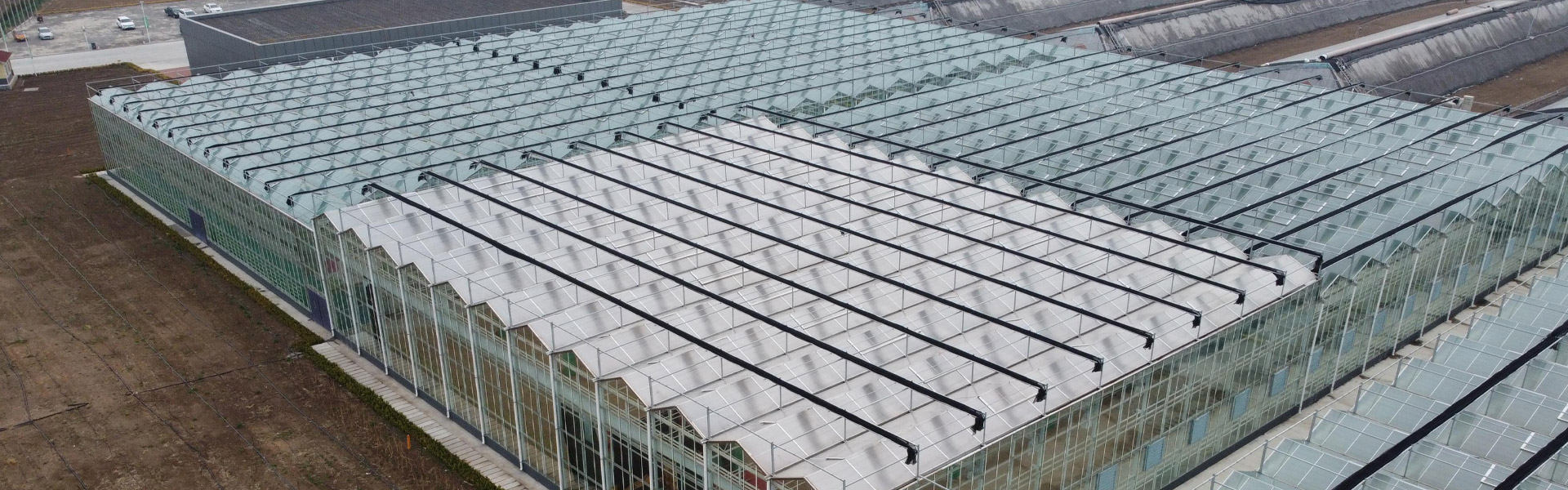
- Applications: Crop mulching, seedling protection, greenhouse covering, fruit bagging, weed control. It can retain soil moisture, regulate temperature, prevent pests and diseases, and promote crop growth, replacing traditional plastic mulch films to reduce environmental pollution.
2. Medical & Hygiene Non-Woven Fabric
- Key Types: Spunbond-meltblown-spunbond (SMS) composite fabric, antibacterial non-woven fabric
- Applications: Surgical masks, protective clothing, disposable medical gowns, diapers, sanitary napkins, wet wipes. It has high barrier performance, antibacterial effect and hygiene, meeting the strict safety requirements of the medical and hygiene industry.
3. Industrial & Construction Non-Woven Fabric
- Key Types: Needle punched, flame-retardant, geotextile non-woven fabric
- Applications: Industrial filtration, sound insulation materials, waterproof membrane backing, geotextiles for road and slope reinforcement, packaging materials. It plays roles in filtration, reinforcement, isolation and sound insulation, improving the stability and durability of industrial products and construction projects.
4. Packaging & Daily Non-Woven Fabric
- Key Types: Water-repellent, anti-static non-woven fabric
- Applications: Shopping bags, gift packaging, furniture covers, cleaning cloths, car interior materials. It is lightweight, reusable and aesthetically customizable, becoming a popular alternative to plastic bags and traditional packaging materials.
Advantages Over Traditional Materials
1. Compared with woven fabrics: Shorter production cycle, lower cost, and more flexible performance customization.
2. Compared with plastic films: Better breathability and environmental friendliness, and degradable options are available.
3. Compared with paper products: Higher tear resistance, water resistance, and reusability, suitable for wet and harsh environments.
Development Trends
With the increasing focus on environmental protection and functional materials, non-woven fabrics are developing towards high performance, biodegradability and multi-functional integration. New products such as PLA biodegradable non-woven fabrics, high-efficiency filtration non-woven fabrics, and intelligent non-woven fabrics (with temperature sensing and antibacterial functions) are gradually emerging, further expanding their application scope in high-end medical care, smart agriculture, and green construction.